3.3 kW Charger Selection by Pack Voltage

Select a 3.3 kW charger based on the battery pack voltage.

This 3.3 kW portable charger assembly converts single-phase AC power to a stable DC output. This series of portable DC chargers offers seven output options, ranging from 24V DC to 540V DC, features an IP65-rated enclosure, independent ventilation, and supports CAN bus communication and bootloader functionality. The model you order depends almost entirely on the battery pack's voltage; therefore, the table below clearly outlines the voltage, model, and current limitations.

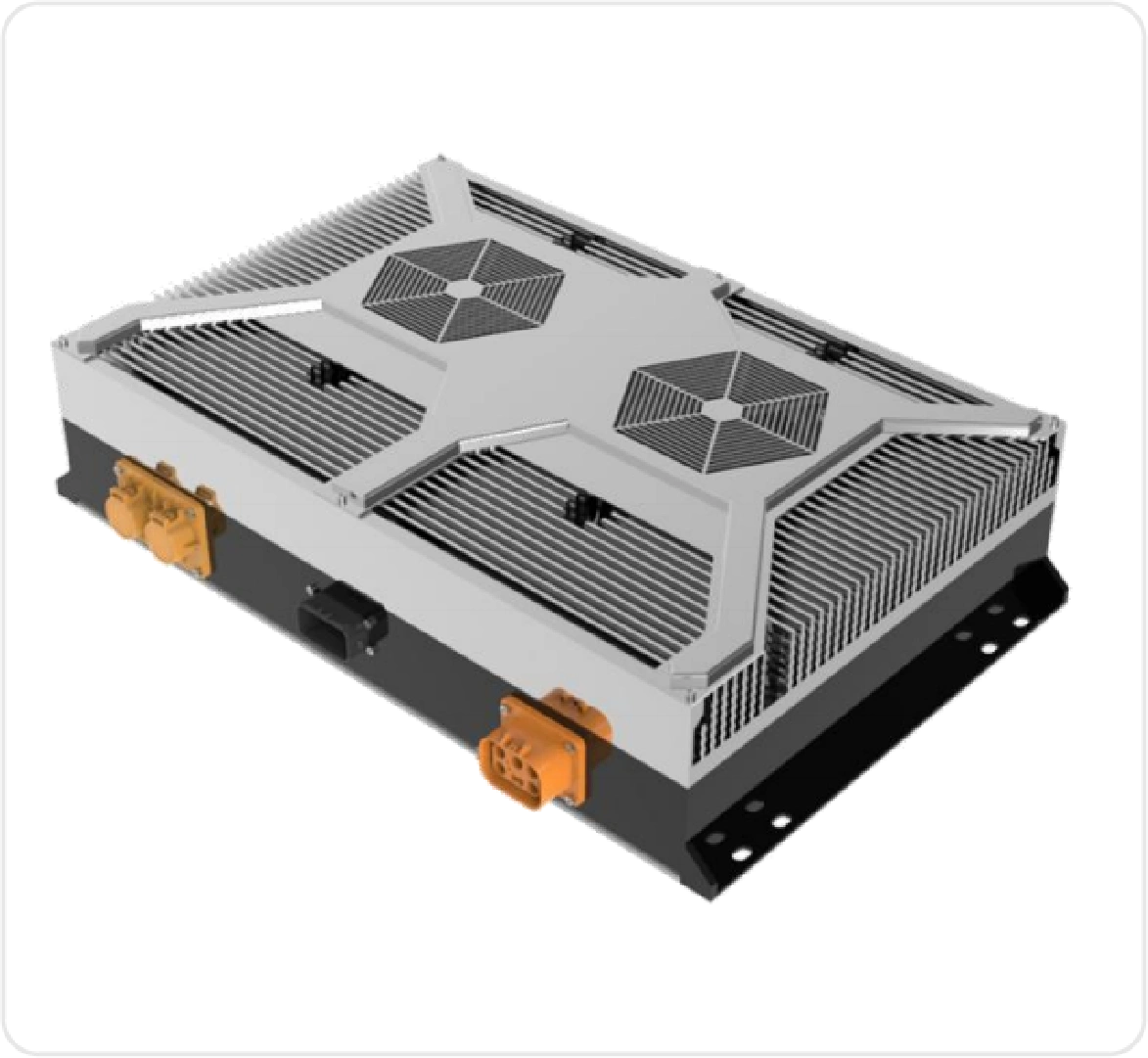
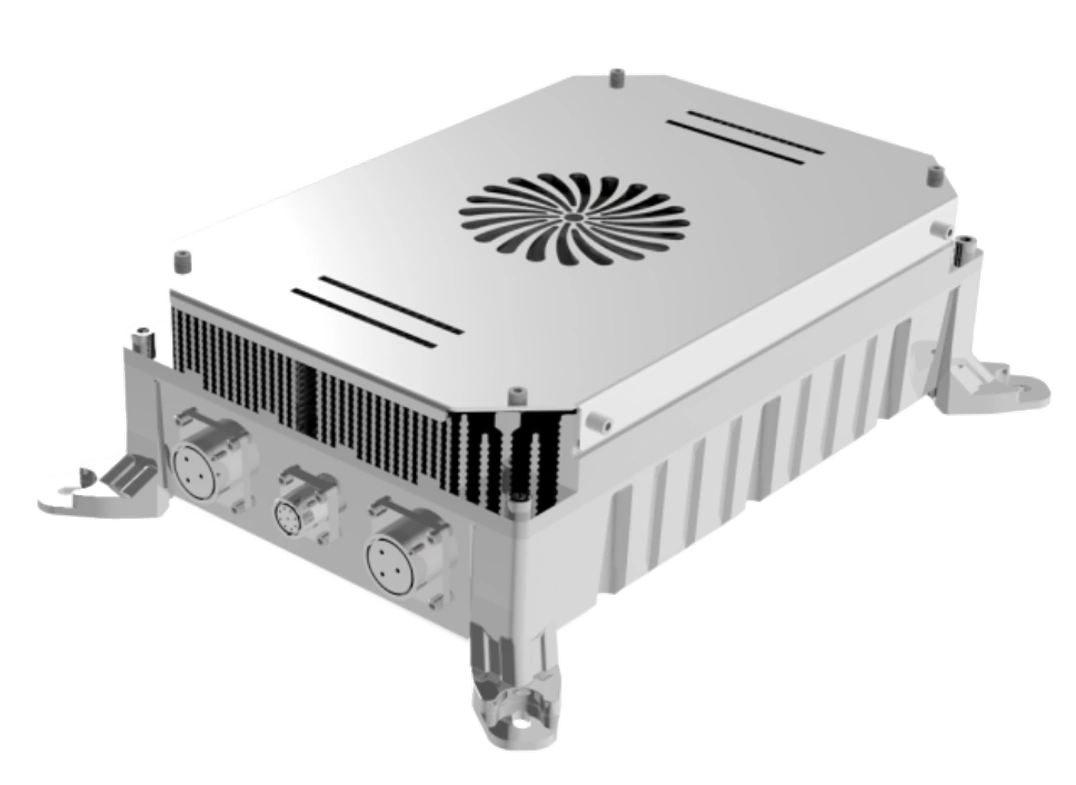
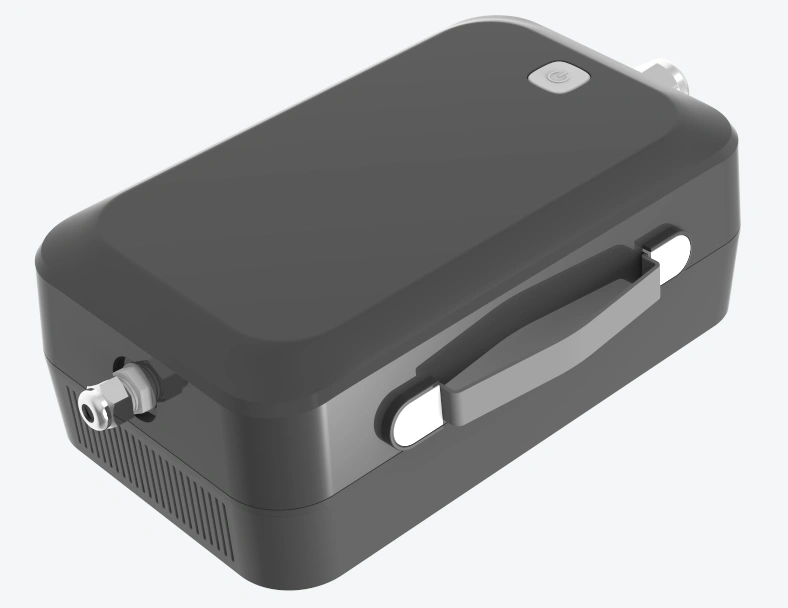
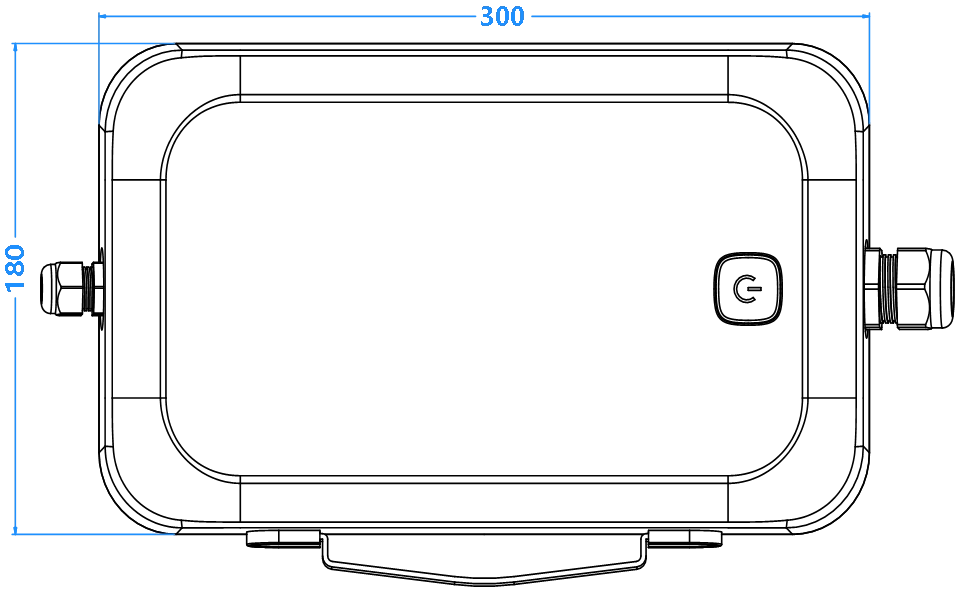
3.3 kW portable DC charger assembly, featuring an IP65-rated housing and independent airflow.

Seven output variants are displayed side by side.

All models have a rated input voltage of 220 VAC and an output power of 3.3 kW. The only differences are the output voltage range and the corresponding upper current limit; therefore, the model number, not the power rating, is what truly matters.

Product Model Rating VIN Vin range Pouting Rated voltage Output voltage range Output range
LK1301-M28-XX 220V AC 90~265V AC 3.3 kilowatts 540V DC 0~720 VDC 0~6 Amperes
LK1302-M28-XX 220V AC 90~265V AC 3.3 kilowatts 360V DC 0~500 VDC 0~10 amperes
LK1303-M28-XX 220V AC 90~265V AC 3.3 kilowatts 144 volts DC 0~200 VDC 0~22 amperes
LK1304-M28-XX 220V AC 90~265V AC 3.3 kilowatts 108V DC 0~140 VDC 0~30 Amperes
LK1305-M28-XX 220V AC 90~265V AC 3.3 kilowatts 72V DC 0~95 VDC 0~45 Amperes
LK1306-M28-XX 220V AC 90~265V AC 3.3 kilowatts 48V DC 0~68 VDC 0~60 Amperes
LK1307-M28-XX 220V AC 90~265V AC 3.3 kilowatts 24V DC 0~36 VDC 0~100 Amperes

LK1300 is the series designation for this component; LK1301 to LK1307 are its voltage versions. This series is suitable for golf carts and low-speed vehicles, electric boats and small vessels, forklifts and high-reach industrial vehicles, electric motorcycles, tricycles and quadricycles, mini-trucks, sanitation vehicles and vans, lawnmowers and power tools—therefore, the vehicle category represents the application area, while the battery pack voltage represents the specific model.

The LK13xx model label on the casing of the 3.3 kW portable charger.

The casing is marked with the model number LK13xx, which is the fastest way to confirm the voltage version you have.

Identify variants on the experimental table

Fleet or modification workshops often find that some equipment already in use lacks relevant documentation. Please read the model designation on the casing and compare the last two digits with the table above: LK1307 is the model with the lowest voltage and highest current, while LK1301 is the model with the highest voltage and lowest current. All models in between maintain the same 3.3 kW rated power, the same IP65 protection rating, and the same CAN interface; therefore, the model designation is the only factor affecting electrical performance.

  • Model designation is used to identify the output window—don't assume a charger is compatible with different voltage battery packs just because the casing looks the same.
  • Please compare the battery pack's full-charge voltage (not just the nominal voltage) with the Vout range column.
  • If the markings are illegible, please request model confirmation via quotation before connecting the packaging.

Why does the output current decrease when the voltage increases?

A fixed output power of 3.3 kW means that voltage and current are inversely proportional. Understanding this rule provides a clear overview of the characteristics of all seven models.

0 A 25 A 50 A 75 A 100 A 0 V 100 V 200 V 300 V 400 V 500 V Rated output voltage (VDC) Rated output current (A) LK1307 · 24 V / 100 A LK1306 · 48 V / 60 A LK1305 · 72 V / 45 A LK1304 · 108 V / 30 A LK1303 · 144 V / 22 A LK1302 · 360 V / 10 A LK1301 · 540 V / 6 A

The charts are derived from the model table above: each point plots the relationship between the rated output voltage of a model and its upper limit of current.

At 24 VDC, this component can deliver up to 100 A of current; at 540 VDC, the same 3.3 kW hardware can deliver up to 6 A of current. The rated power remains constant—the upper limit of current simply decreases as the voltage range increases, because watts are the product of voltage and current.

This is why high-voltage battery packs are not “slow chargers” in terms of energy. They receive the same number of kilowatts per hour, only in a different form: higher voltage and lower current.

For buyers, the practical significance lies in choosing the model based on the battery pack voltage and considering the current value as a final result rather than a target value. Regardless of the model chosen, a 5 kWh battery pack will take approximately one and a half hours to fully charge at a rated output power of 3.3 kW—this is just an estimate, as the actual charging time depends on the remaining capacity of the battery pack, the degradation characteristics of the charging curve, and the limitations of the battery management system (BMS).

If your project requires a faster turnaround time than 3.3 kW, the solution is to use different components from the charging series, rather than different voltage versions.

Find your backpack and then select the model.

First, check the nominal voltage printed on the battery pack or charging port. The following section provides the conversion to the corresponding model, maximum current limit, and checks to be performed before ordering.

  • 3.3 kW portable charger assembly

One casing, one ventilation duct, seven voltage specifications—the difference lies in the battery pack voltage.

Nominal voltage 24 volts LK1307 Up to 100 amperes This product series has the highest current output. Please ensure that the battery pack's full charge voltage remains at or below 36 VDC.
Nominal voltage 48 volts LK1306 Up to 60 amperes Second highest current. Keep the voltage of the rechargeable battery pack below the upper limit of 68 VDC of the output voltage range.
Nominal voltage 72 volts LK1305 Up to 45 amperes Check if the full charge voltage of the battery pack exceeds the upper limit of 95 VDC.
Nominal voltage 108 volts LK1304 Up to 30 amperes The voltage range of 0~140 VDC provides a margin for a fully charged battery pack.
Nominal voltage 144 volts LK1303 Up to 22 amperes It has the widest low-voltage window of 0~200 VDC, making it suitable for battery packs with large voltage fluctuations when fully charged.
Nominal voltage 360 ​​volts LK1302 Up to 10 amperes Entering the high-voltage version; the current is an order of magnitude lower than the normal version.
Nominal voltage 540 volts LK1301 Up to 6 amperes Maximum voltage, minimum current, and the widest operating range of 0~720VDC.

Air conditioning supply, cooling and site conditions

The DC power supply is only half the buying decision. Input window, heat dissipation path, and protection architecture determine whether the component is suitable for your site.

Input window

All models in the specification sheet are rated at 220 VAC with an input voltage range of 90~265 VAC, while a feature description on the same page lists 90~290 VAC. Please confirm your specific voltage range when requesting a quote. Additionally, please note that this series utilizes active PFC technology, enabling full-range AC input and maintaining stable performance even under power supply voltage fluctuations or drift.

Cooling and casing

This component has an IP65 protection rating and features an independent cooling duct, making it suitable for both outdoor and industrial environments. It effectively prevents electronic components from getting damp and water ingress. During installation, ensure that the cooling duct is not obstructed by walls, boxes, or fabric covers. Even with an IP65 enclosure protection rating, water accumulation around the equipment should be avoided.

Protection and Approval

This device employs a dual-layer hardware and software protection design, and its components meet the EMC requirements of CE and UL standards. The output stage utilizes fully digital control technology, and the CAN interface supports bootloader updates, allowing for on-site firmware updates.

Optional two-way upgrade

Bidirectional conversion with inverter output is an optional upgrade feature for this component. It will not change your required voltage specifications, but it may change your order timing.

Upgrade and add new features

With the inverter output option, the same component can move energy in reverse and provide AC power from the battery pack—this is very useful for load-type operations such as site tools, mobile workbenches, and vehicles, which would otherwise require a separate inverter.

  • Specify the upgrade during the quotation stage: it is listed as an optional configuration, rather than an on-site modification.
  • Please select this option when your vehicle or site needs to be away from AC power sources.
  • If the device only charges the battery pack, and space or cost are the primary considerations, then do not use this feature.

How to decide

Just ask one question: Does the battery pack need to power other devices? If the answer is yes, then the bidirectional power supply configuration is the best choice, as it is an optional feature included with the product, not an aftermarket accessory.

If the answer is no, the standard unidirectional configuration will be chosen based entirely on the electrical aspects—matching the model to the upper voltage and current limits of the battery pack, confirming the AC power supply, and the specifications are determined.

Please request your voltage quote.

This component is sold at the quoted price; online checkout is not available on the product page. Please provide your packaging details so we can confirm the correct model, connector, and configuration before you confirm assembly.

Email: info@lincoren.com Telephone: 15906105580 4th Floor, Building 3-1, Zone D, Qilin Artificial Intelligence Industrial Park, Jiangning District, Nanjing City, Jiangsu Province

Please include the following seven points in your consultation.

  • Nominal battery pack voltage and battery pack full-charge voltage.
  • Battery chemistry—lead-acid, lithium iron phosphate, or NMC—and your expected charging curve.
  • The maximum acceptable charging current for the battery pack and battery management system.
  • Whether a CAN handshake with the BMS is required, and if so, the protocol used.
  • AC power is available on site, including the lowest voltage you expect.
  • Does the bidirectional inverter output need to be upgraded?
  • Order quantity, own brand or OEM/ODM requirements, and connector preferences.

Related Reading

The following three points can help clarify product requirements before contacting suppliers.

Customized portable charger solution for low-speed electric vehicle projects

Customized portable charger solutions for low-speed electric vehicles require prior matching of battery voltage, on-site AC power supply, communication requirements, and connector solutions for each vehicle platform…

Reading Article

How to match the voltage of a 3.3 kW portable charger with a forklift battery?

A 3.3 kW portable charger can only be matched with a forklift battery if its output power rating matches the parameters on the battery's nameplate. The primary considerations are nominal voltage, charging current, connectors, and battery management system (BMS) communication, not…

Reading Article

How does active PFC handle the wide AC input of portable DC chargers?

The active power factor correction device is located between the AC socket of the portable DC charger and its internal DC bus, and can adjust the input current as the mains voltage changes.

Reading Article

Frequently Asked Questions

Which model is suitable for 48-volt battery packs?

The LK1306 is a model with a rated voltage of 48V DC, an output range of 0~68V DC, and a maximum current of 60A. Before ordering, please match the rated output voltage with the nominal voltage of the battery pack, and then confirm that the fully charged voltage of the battery pack is within the output voltage range of the model.

What is the acceptable input voltage for the charger?

Each model in the specification sheet has a rated voltage of 220V AC and an input voltage range of 90~265V AC, while a feature list on the same page lists 90~290V AC. When requesting a quote, please confirm the exact range you require; this series of products uses active PFC to achieve a full range of AC input.

What is the total output voltage range of this measurement range?

The seven models cover rated outputs from 24V DC to 540V DC, with operating windows ranging from 0~36V DC for the LK1307 to 0~720V DC for the LK1301. All models have a rated output power of 3.3 kW.

Does this component communicate with the battery management system?

Yes. It supports CAN communication with bootloader functionality, enabling firmware updates and CAN-based coordination with the battery management system (BMS). When requesting a quote, please confirm the protocols and message sets required for your battery pack.

Can it be used outdoors?

This component has an IP65 protection rating and features an independent cooling duct, making it suitable for outdoor and industrial environments. Ensure the air duct is unobstructed, the air conditioning power supply is within its rated range, and avoid water accumulation around the equipment.

Can I order a customized or OEM/ODM version?

This component is intended for distributors and OEM/ODM buyers, with bidirectional inverter output as an optional upgrade feature. Please send your component voltage, target current, connectors, labels, and quantity requirements in your quotation, or contact info@lincoren.com / 15906105580.